Exercise & Movement During Pregnancy
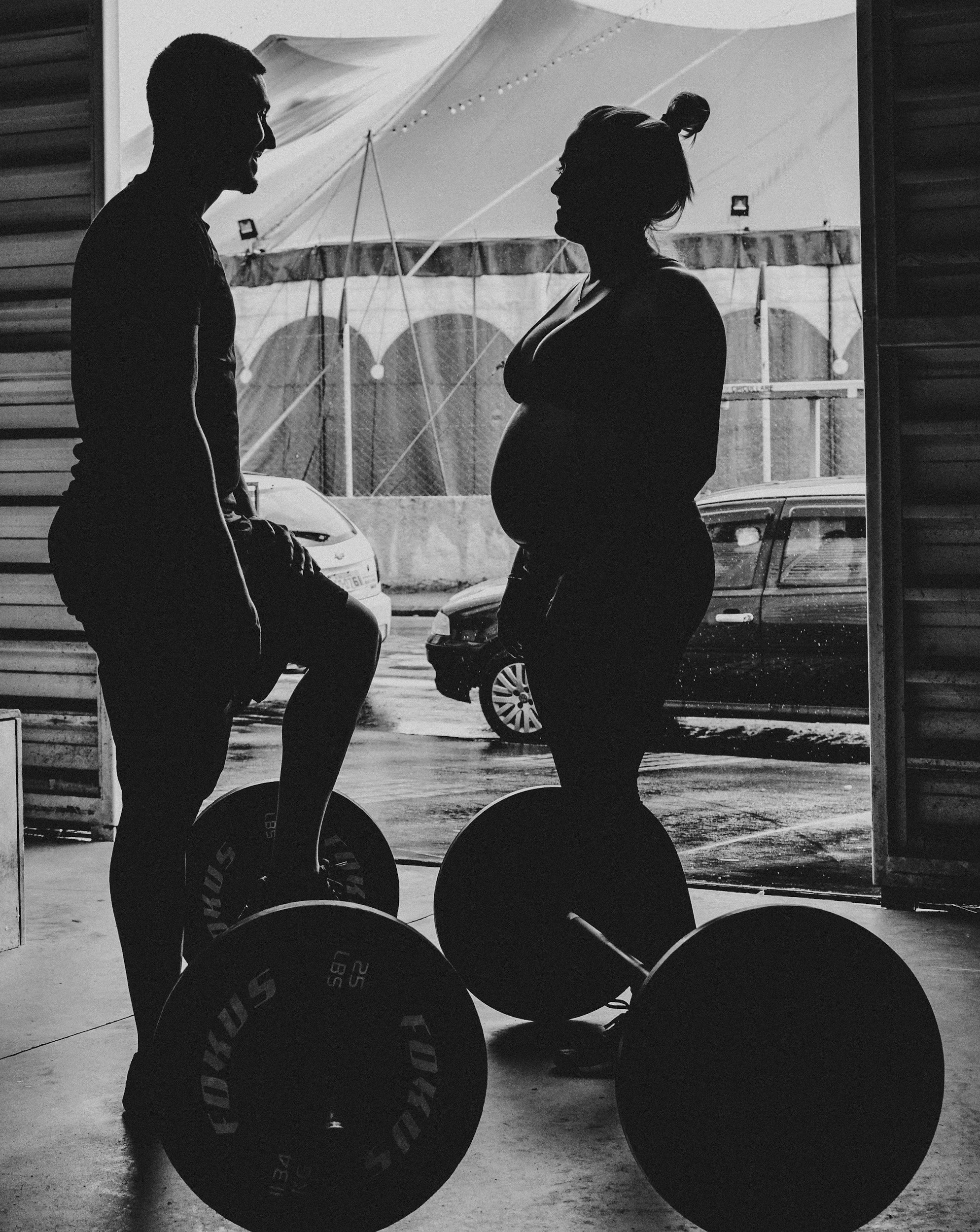
What’s Safe? What Isn’t?
The answer: it depends!
Benefits of Exercise During Pregnancy
Exercise during pregnancy has been shown to offer many potential benefits, including:
Decreasing the risk of gestational diabetes and preeclampsia¹,²
Improving or maintaining cardiovascular health2,3
Lowering the risk of hypertensive disorders during pregnancy²
Enhancing mood
Improving sleep quality
Increasing muscular strength and endurance
Supporting healthy weight management
Potentially decreasing risks and complications during birth
Promoting better postpartum recovery
Supporting fetal health
Note: While exercise is beneficial for many, every pregnancy is unique. If you have a higher-risk pregnancy or concerns, always consult your healthcare provider.
Exercising during Pregnancy
If you have a low-risk pregnancy and have been cleared by your physician, you can generally continue with the exercises you were doing before pregnancy—as long as they still feel good to your body.
If you experience pelvic pain, consult your physician.
If cleared by your physician, consider working with a pelvic floor physical therapist.
Working with a pelvic floor PT can help manage pain, assist in modifying movements or exercises, and provide guidance on safety with various activities through your pregnancy.
Safe Exercise & Movement Ideas
Walking
Swimming
Biking/Cycling
Yoga or Pilates
Strength training
Note: Resistance training during pregnancy has been shown to reduce the risk of gestational hypertension, perinatal mood disorders, and C-section rates³.
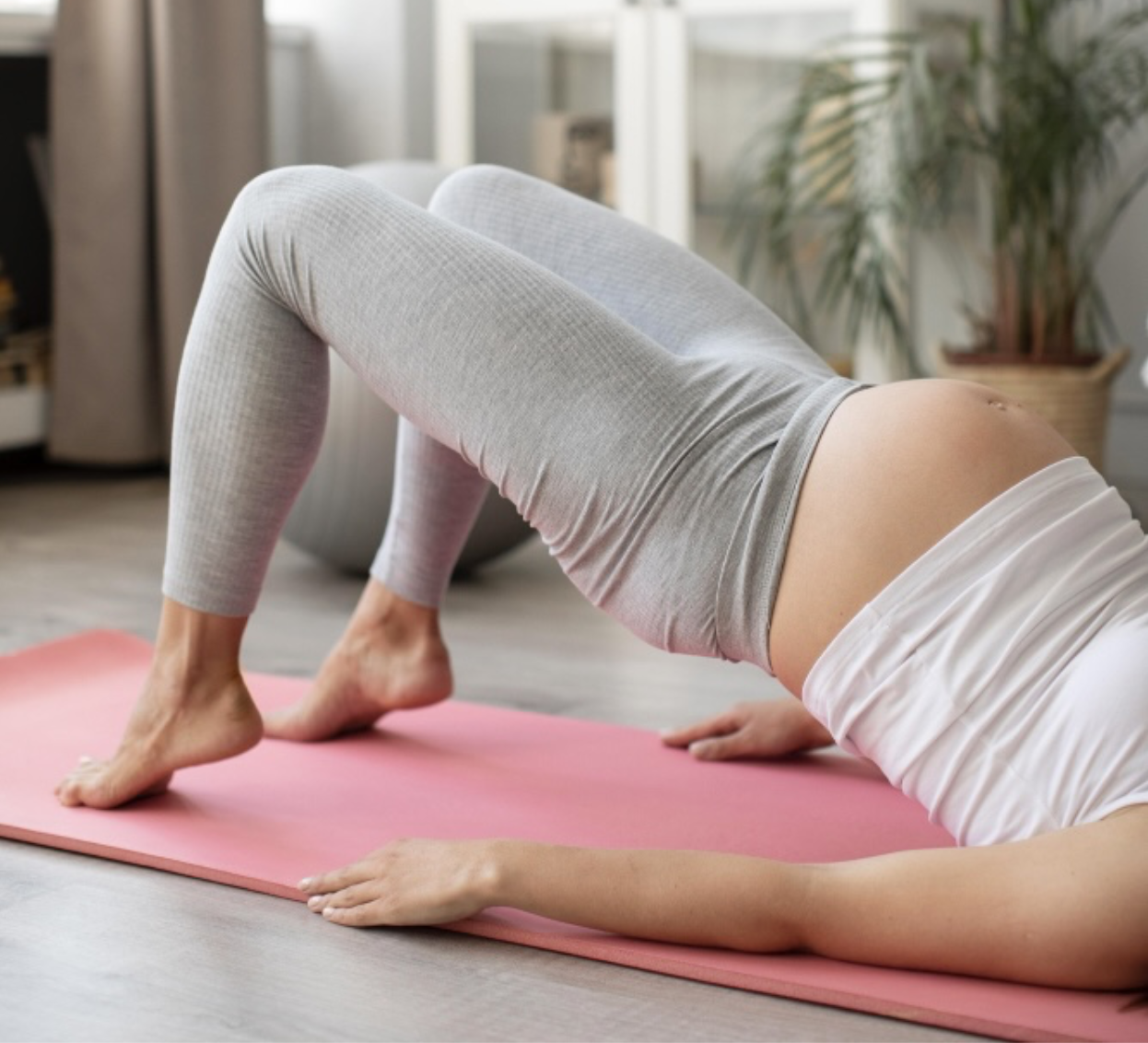
Breaking Down the Trimesters: Exercise Considerations
First Trimester
Fatigue is common—move when you can and rest when needed.
Nausea and vomiting can be a common symptom during this phase & affect ability to exercise. Listen to your body - move when you feel able, & rest when you need to.
Research shows that exercise during the first trimester is not associated with miscarriage⁴.
Even small bouts of movement are beneficial - keep moving!
Second Trimester
Energy typically improves and nausea may subside.
This is a great time to stay active with exercises you enjoy - choosing activities you like increases consistency.
Moderate activity continues to support overall well-being and continues to be safe during this phase.
Third Trimester
Your body is adapting to support your growing baby. Modifications may be needed:
Workout intensity: Shortness of breath may occur more easily; reducing intensity can help maintain proper breathing for you and your baby.
Resistance/weights: You may find it harder to lift as much as before—adjust your weights as needed.
Exercise duration: Shorten workouts or break them into smaller sessions.
Range of motion: Continuing using full range if it's comfortable. If you experience pain or discomfort, modify movements by reducing the range—for example, try shallower squats or elevate the starting position for deadlifts.
When and How to Modify Exercise
At Castine Concierge Physical Therapy, we recognize that every pregnancy is different.
No exercise is inherently “good” or “bad.”
Modifications depend on your fitness level, experience, and comfort.
We listen to your concerns and goals and tailor your plan accordingly.
Our goal: To help you continue moving in a way that supports both your well-being and your pregnancy.
We’re Here to Help
At CCPT, we believe in the power of movement—to support both physical and mental well-being at every stage of life. Pregnancy is no exception.
If you have questions about safe and effective movement during pregnancy, we’re here to help. Contact Castine Concierge Physical Therapy so we can help set up personalized, one-on-one care with you and help you feel confident with movement during pregnancy.
Written by: Stephanie Schultheis, PT, DPT
References
Watkins VY, Zhao P, Frolova AI, Carter EB, Kelly JC, Odibo AO, England SK, Raghuraman N. The association between first trimester physical activity levels and perinatal outcomes. Am J Obstet Gynecol MFM. 2024 Dec;6(12):101534. doi: 10.1016/j.ajogmf.2024.101534. Epub 2024 Oct 28. PMID: 39490897; PMCID: PMC11798543.
Whitaker KM, Barone Gibbs B, Hivert MF, Makarem N, Moxley E, Vaught J, Evenson KR; American Heart Association Council on Lifestyle and Cardiometabolic Health; Council on Cardiovascular and Stroke Nursing; and Council on Cardiovascular Surgery and Anesthesia. Sedentary Behavior and Light-Intensity Physical Activity During Pregnancy and Cardiovascular Health: A Science Advisory From the American Heart Association. Circulation. 2025 May 13;151(19):e990-e999. doi: 10.1161/CIR.0000000000001316. Epub 2025 Apr 10. Erratum in: Circulation. 2025 May 13;151(19):e1000. doi: 10.1161/CIR.0000000000001340. PMID: 40207357.
Prevett C, Gingerich J, Sivak A, Davenport MH. Resistance training in pregnancy: systematic review and meta-analysis of pregnancy, delivery, fetal and pelvic floor outcomes and call to action. Br J Sports Med. 2025 Jul 31;59(16):1173-1182. doi: 10.1136/bjsports-2024-109123. PMID: 40610191.
Barakat R, Zhang D, Silva-José C, Sánchez-Polán M, Franco E, Mottola MF. The Influence of Physical Activity during Pregnancy on Miscarriage-Systematic Review and Meta-Analysis. J Clin Med. 2023 Aug 19;12(16):5393. doi: 10.3390/jcm12165393. PMID: 37629435; PMCID: PMC10455409.