Understanding the Pelvic Floor: What It Is, Why It Matters, & How Physical Therapy Can Help
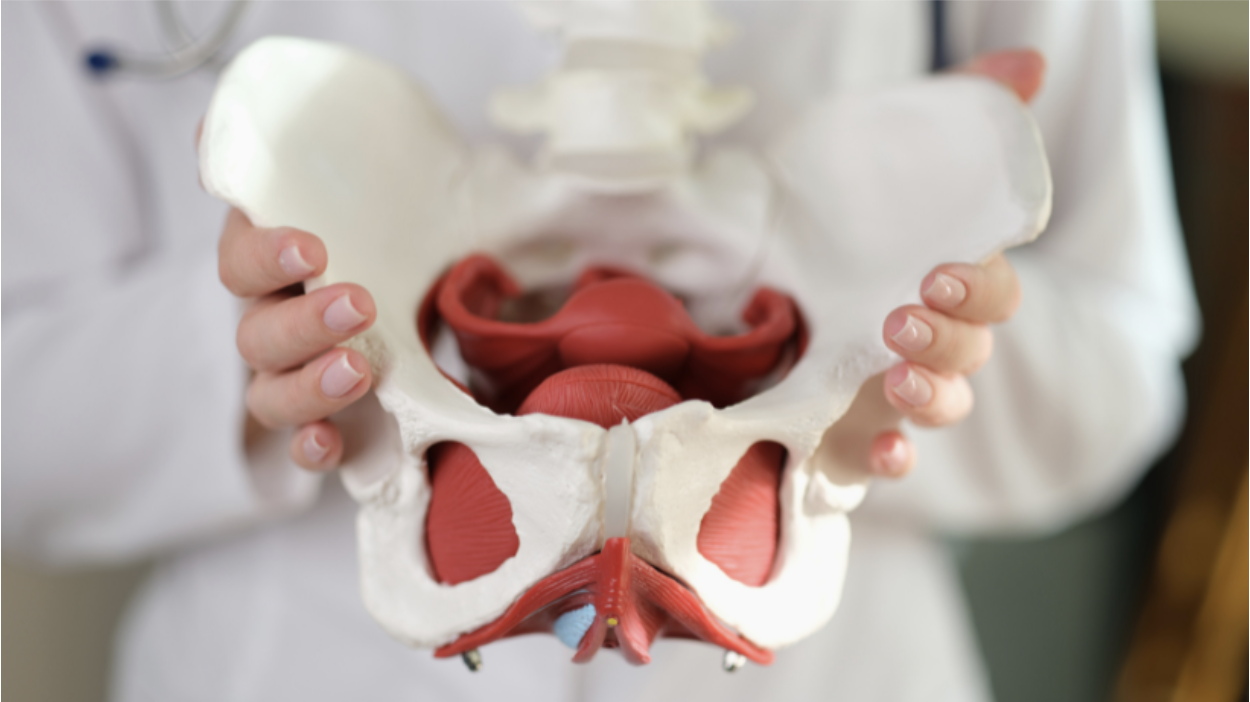
When it comes to core strength and overall function, we often think of our abs. One critical area that's often overlooked is the pelvic floor—a group of muscles that plays a vital role in everything from bladder control to core stability. Understanding your pelvic floor can be a game-changer for your health, no matter your gender, age, or whether you are pregnant or post-partum. Here at CCPT we are dedicated to helping you enjoy every day and every adventure with a strong pelvic floor and core.
What Is the Pelvic Floor?
The pelvic floor is a group of muscles, nerves, and connective tissue located within the pelvis. It creates the base of our core cavity and acts like a supportive hammock for pelvic organs such as the bladder, uterus (or prostate), and rectum. These muscles contribute to both structural support and functional stability.
What Does the Pelvic Floor Do?
The primary function of the pelvic floor is to anticipate and respond—contracting and relaxing at the right times to maintain stability, mobility, and continence throughout one's day. Whether you're laughing, sneezing, lifting or exercising, these muscles coordinate with your core to support your body’s movements and keep everything functioning correctly.
The Pelvic Floor functions to:
Maintain continence of urine and feces
Support organs and intra-abdominal contents
Contributes to sexual functions of arousal and orgasm
Normal Frequency of Voiding:
8-13x during the day and 1-2x per night — varies based on individuals level of hydration
During pregnancy: should not change by more than 1-2 bouts per day/night (2017, Bulchandani S, et al.)1
If pelvic floor dysfunction is something you are struggling with, we here at CCPT can work with you to create an individualized plan that fits your lifestyle. We are passionate about helping patients restore normal pelvic floor function and helping them achieve their goals while doing so.
Common Pelvic Floor Dysfunctions
Pelvic floor dysfunction can take many forms, and it affects people of all ages and genders. Here are some common issues:
Urinary Incontinence
Leaking urine when coughing, sneezing, jumping, or even hearing running water.Bowel/Bladder Urgency
Sudden, intense urges to go without much warning or control.Pelvic Heaviness or Organ Prolapse
A sensation of heaviness or bulging in the pelvic region; this can be a sign that pelvic organs are descending due to weakened support.Pelvic Pain
Discomfort in the hips, lower back, abdomen, or pain with urination, tampon use, or during sex.Constipation
Difficulty passing stool or reduced frequency of bowel movements.Frequent Urination
Needing to go more than every 8-13 times during the day or more than twice at night.Normal urination during normal waking time, occurs every 2-4 hours.
Why Does Pelvic Floor Dysfunction Happen?
Pelvic floor dysfunction can happen to anyone—not just pregnant or postpartum individuals. Many people may not even realize they have it, assuming that issues like leaking are “normal.” But they’re not something you should have to live with and these symptoms are treatable.
Causes may include:
Poor movement patterns or breath-holding during exercise
Chronic straining (e.g., during bowel movements)
Surgery or trauma
Aging or hormonal changes
Potential side effects of pregnancy or childbirth
Men and women alike can experience pelvic floor dysfunction, and it’s nothing to be embarrassed about. Getting help is a positive and empowering step forward.
How Pelvic Floor Physical Therapy Can Help
Pelvic floor physical therapy (PFPT) is a specialized treatment approach to help individuals better understand and heal their pelvic floor. A skilled PT can assess your symptoms and create a personalized treatment plan to restore pelvic health and improve quality of life.
When to Consider Pelvic Floor Therapy:
Leaking urine or frequent urination
48.5% of adolescent females report urinary incontinence (2021, Rebullido)4
Pain with sex
Pelvic heaviness or suspected prolapse
Strong urges to urinate or defecate
Constipation
Pre/postpartum care
41% of pregnant people have stress urinary incontinence (2021, Moossdorff et al.)2
2.4x more likely with vaginal vs cesarean delivery (2003, Rortveit)3
What Does Pelvic Floor PT with CCPT look like?
The initial visit will be spent getting to know the patient, their history of symptoms, and identifying objective limitations or dysfunctions. We want to know about you as a whole person, because there are many factors that can play a role in affecting pelvic floor health.
Manual Therapy
Hands on techniques may be implemented in order to help with muscle relaxation, muscle activation, and circulation improvementEducation
To provide the patient with information about how the pelvic floor works
Help patients identify lifestyle or movement patterns that may be contributing to their symptoms and how to adjust them.
Some examples of this could include: ergonomics, running analysis, movement patterns during exercise or daily activities, breathing patterns
Provide patient with information on pelvic health in regards to hydration, nutrition, strength training and mental health
Exercise Program
Targeted exercises that focus on:
Mobility – Improving flexibility and muscle balance
Strengthening – Not just the pelvic floor, but also the core, hips, and surrounding muscles based on your unique needs
At CCPT every patient with be provided with an individualized plan that includes exercises geared towards a patients specific needs after a thorough assessment
This plan will be adjusted as needed throughout treatment sessions.
Written by: Stephanie Schultheis, PT, DPT
Resources:
Bulchandani S, Coats AC, Gallos ID, Toozs-Hobson P, Parsons M. Normative bladder diary measurements in pregnant women. Eur J Obstet Gynecol Reprod Biol. 2017 Mar;210:319-324. doi: 10.1016/j.ejogrb.2017.01.006. Epub 2017 Jan 9. PMID: 28113070.
Moossdorff-Steinhauser HFA, Berghmans BCM, Spaanderman MEA, Bols EMJ. Prevalence, incidence and bothersomeness of urinary incontinence in pregnancy: a systematic review and meta-analysis. Int Urogynecol J. 2021 Jul;32(7):1633-1652. doi: 10.1007/s00192-020-04636-3. Epub 2021 Jan 13. PMID: 33439277; PMCID: PMC8295103.
Rortveit G, Daltveit AK, Hannestad YS, Hunskaar S; Norwegian EPINCONT Study. Urinary incontinence after vaginal delivery or cesarean section. N Engl J Med. 2003 Mar 6;348(10):900-7. doi: 10.1056/NEJMoa021788. PMID: 12621134.
Rebullido TR, Gómez-Tomás C, Faigenbaum AD, Chulvi-Medrano I. The Prevalence of Urinary Incontinence among Adolescent Female Athletes: A Systematic Review. J Funct Morphol Kinesiol. 2021 Jan 28;6(1):12. doi: 10.3390/jfmk6010012. PMID: 33525502; PMCID: PMC7931053.
photo credit: https://www.aptapelvichealth.org/info/become-a-pelvic-health-physical-therapist-pt