Returning to Exercise Postpartum: When to Start, What to Do, and How to Progress
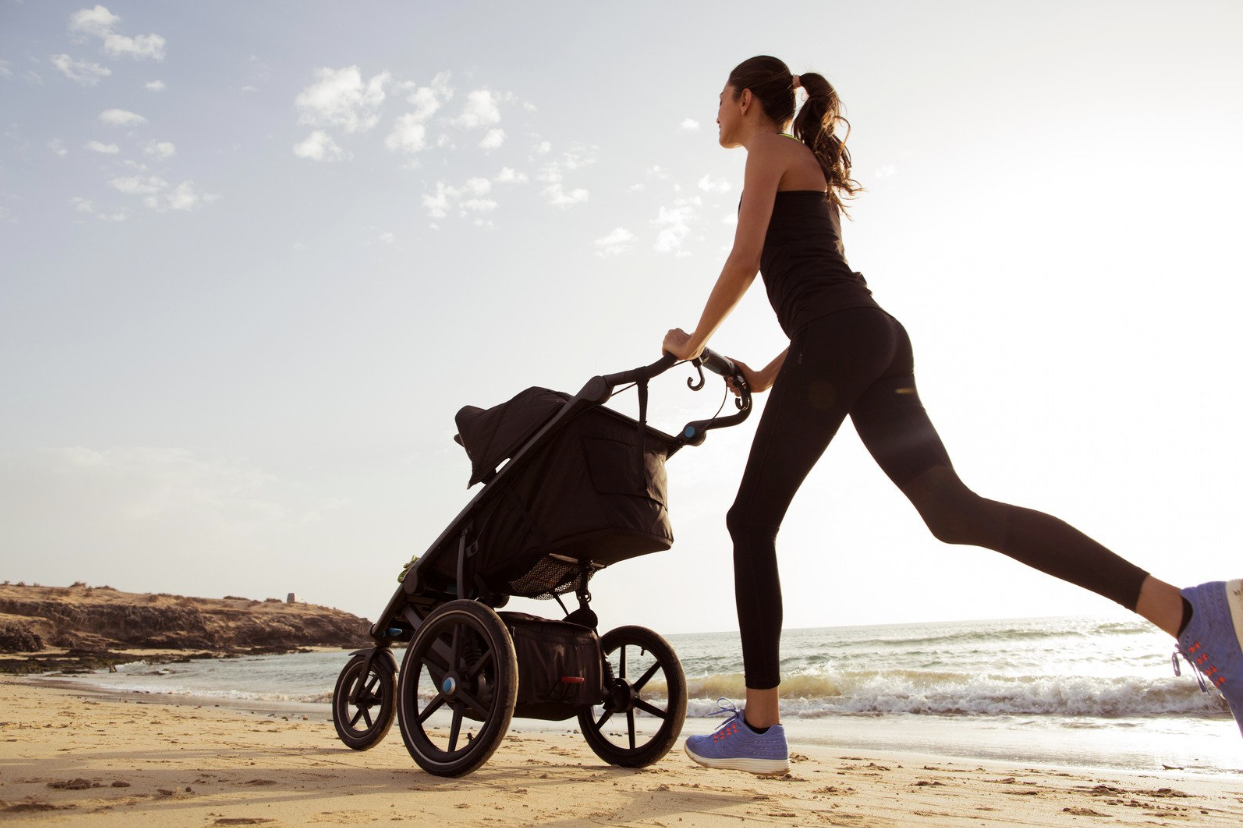
The first three months after childbirth are often called the “fourth trimester.” During this time, you and your family are adjusting to profound changes, including how your body moves and heals.
Postpartum is about recovery and reconnecting with your body and your new little one. There’s no one-size-fits-all exercise plan; every journey is unique, with different needs, goals, and timelines.
When Can I Safely Exercise Again?
Traditionally, women are cleared for return to exercise at their six-week postpartum visit, when a physician or midwife determines the body is ready for physical activity.
In recent years, however, there’s been a welcome shift. Gentle breathing exercises and light movement may be encouraged even earlier. If you feel comfortable this could happen just days after delivery.
It is important to highlight that physical activity postpartum has shown to have a positive impact on maternal depression and anxiety. (1)
The Role of Pelvic Floor Physical Therapy
If you’re feeling uncertain about when or how to begin, pelvic floor physical therapy can make a meaningful difference. (2,3) A physical therapist can guide you through those first steps, helping you rebuild confidence, protect your pelvic floor, and gradually return to the activities you love.
At Castine Concierge Physical Therapy, we’re here to support you through every stage of your postpartum journey.
Where to Start?
Walking
Walking is a simple and accessible way to begin moving, and you can bring your baby along. The American College of Obstetricians and Gynecologists (ACOG) supports gentle activities such as walking, which can boost mood, improve sleep, reduce stress, and lower the risk of postpartum depression. (4)Breathing Exercises
Reconnecting your breath with your core is essential after pregnancy and birth. Diaphragmatic and deep breathing help reduce stress and anxiety while creating a strong foundation for more advanced exercise down the road. (5)Light Movements
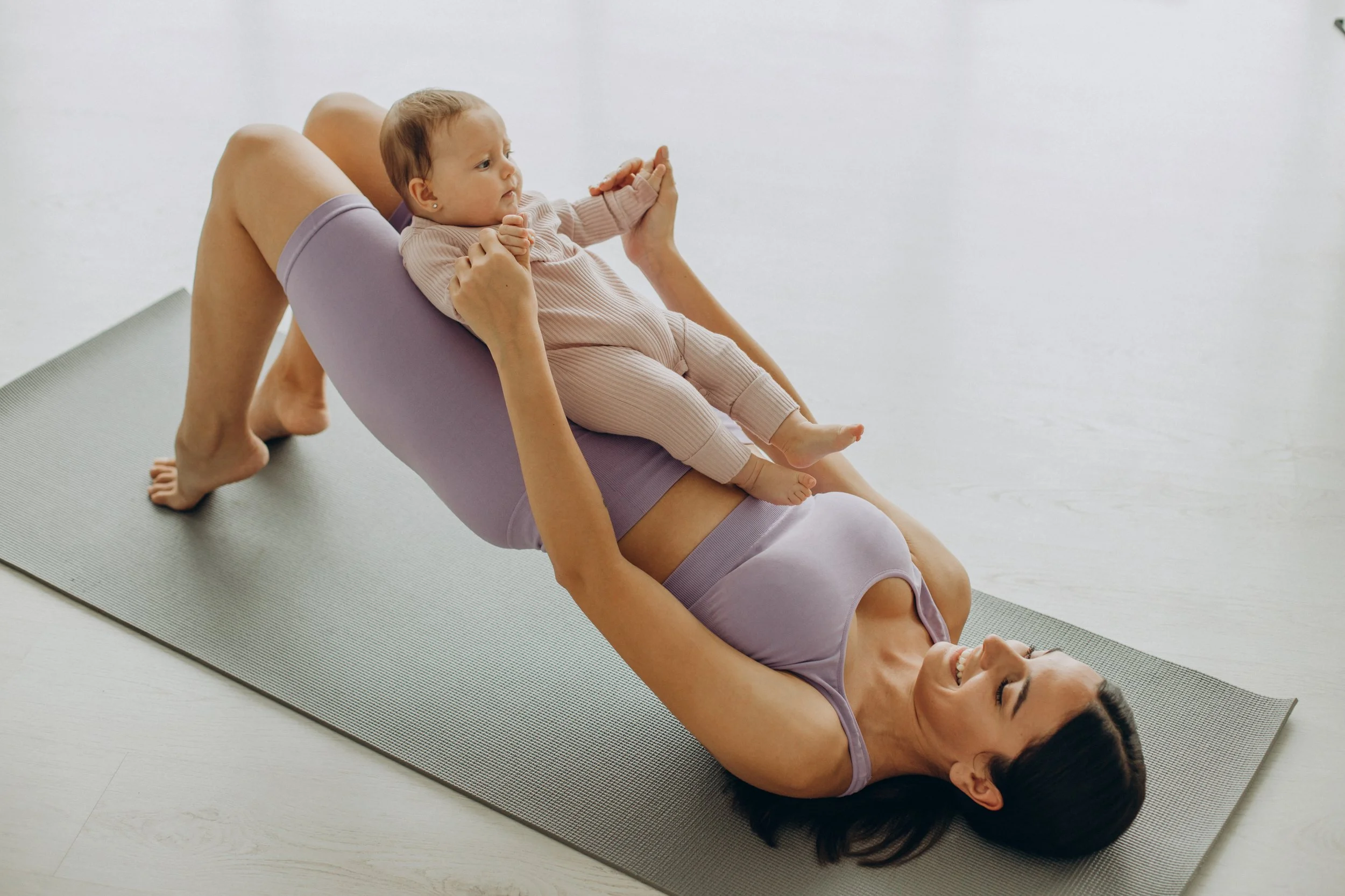
Gentle bodyweight exercises such as squats, lunges, and bridges combined with stretching for posture and mobility, help restore strength and flexibility as your body heals.
How Pelvic Floor Physical Therapy Can Help
Pelvic floor physical therapy (PFPT) is a specialized treatment approach to help individuals better understand and heal their pelvic floor. A skilled PT can assess your symptoms and create a personalized treatment plan to restore pelvic health and improve quality of life.
Laying the Foundation for Progress
These first steps are not about “bouncing back”, they’re about creating a foundation of strength, mobility, and confidence. With time, guidance, and consistency, you’ll be ready to return to the activities and exercise routines you enjoy most.
When Can I Do More?
Recovery postpartum isn’t “one size fits all.” How and when you move forward depends on your individual healing and body.
Factors That Can Affect or Delay Progression
Pelvic pain or pelvic floor symptoms
C-section recovery
Higher grades of perineal tearing
How to Progress Safely
After focusing on gentle movement, begin to incorporate strength or resistance training
Use gradual exposure to load, intensity, and duration of workouts
Prioritize strengthening these key areas:
• Abdominal (core) muscles
• Hip and glute muscles
• Pelvic floor muscles
The final step should be returning to higher-intensity or high-impact exercise. Because your body can be more vulnerable postpartum, it’s important to prepare with strength, stability, and functional control before pushing into high-impact or high-load movements.
What Does Pelvic Floor and Postpartum PT with CCPT look like?
The initial visit will be spent getting to know the patient, their history of symptoms, and identifying objective limitations or dysfunctions. We want to know about you as a whole person, because there are many factors that can play a role in affecting pelvic floor health.
Manual Therapy
Hands on techniques may be implemented in order to help with muscle relaxation, muscle activation, and circulation improvementEducation
To provide the patient with information about how the pelvic floor works
Help patients identify lifestyle or movement patterns that may be contributing to their symptoms and how to adjust them.
Some examples of this could include: ergonomics, running analysis, movement patterns during exercise or daily activities, breathing patterns
Provide patient with information on pelvic health in regards to hydration, nutrition, strength training and mental health
Exercise Program
Targeted exercises that focus on:
Mobility – Improving flexibility and muscle balance
Strengthening – Not just the pelvic floor, but also the core, hips, and surrounding muscles based on your unique needs
At CCPT every patient with be provided with an individualized plan that includes exercises geared towards a patients specific needs after a thorough assessment
This plan will be adjusted as needed throughout treatment sessions.
Ready to Begin Your Postpartum Exercise Journey?
Every postpartum journey is different, and you don’t have to navigate it alone. At CCPT, we specialize in guiding women safely back to movement with personalized care and support.
👉 Schedule a consultation today and let’s build your strength and confidence—one step at a time.
Written by: Stephanie Schultheis, PT, DPT
References
Deprato A, Ruchat SM, Ali MU, Cai C, Forte M, Gierc M, Meyer S, Sjwed TN, Shirazi S, Matenchuk BA, Jones PAT, Sivak A, Davenport MH. Impact of postpartum physical activity on maternal depression and anxiety: a systematic review and meta-analysis.Br J Sports Med. 2025;59(8):550-561. doi:10.1136/bjsports-2024-108478. PMID: 39500542.
Hagen S, Stark D, Glazener C, Sinclair L, Ramsay I. A randomized controlled trial of pelvic floor muscle training for stages I and II pelvic organ prolapse.Int Urogynecol J Pelvic Floor Dysfunct. 2009;20(1):45-51. doi:10.1007/s00192-008-0726-4. PMID: 18806910.
Beamish NF, Davenport MH, Ali MU, Gervais MJ, Sjwed TN, Bains G, Sivak A, Deering RE, Ruchat SM. Impact of postpartum exercise on pelvic floor disorders and diastasis recti abdominis: a systematic review and meta-analysis.Br J Sports Med. 2025;59(8):562-575. doi:10.1136/bjsports-2024-108619. PMID: 39694630; PMCID: PMC12013572.
American College of Obstetricians and Gynecologists. Physical Activity and Exercise During Pregnancy and the Postpartum Period: ACOG Committee Opinion Summary, Number 804.Obstet Gynecol. 2020;135(4):991-993. doi:10.1097/AOG.0000000000003773.
Hopper SI, Murray SL, Ferrara LR, Singleton JK. Effectiveness of diaphragmatic breathing for reducing physiological and psychological stress in adults: a quantitative systematic review.JBI Database Syst Rev Implement Rep. 2019;17(9):1855-1876. doi:10.11124/JBISRIR-2017-003848. PMID: 31436595.
photo credit: from canva